Grief, Like Water
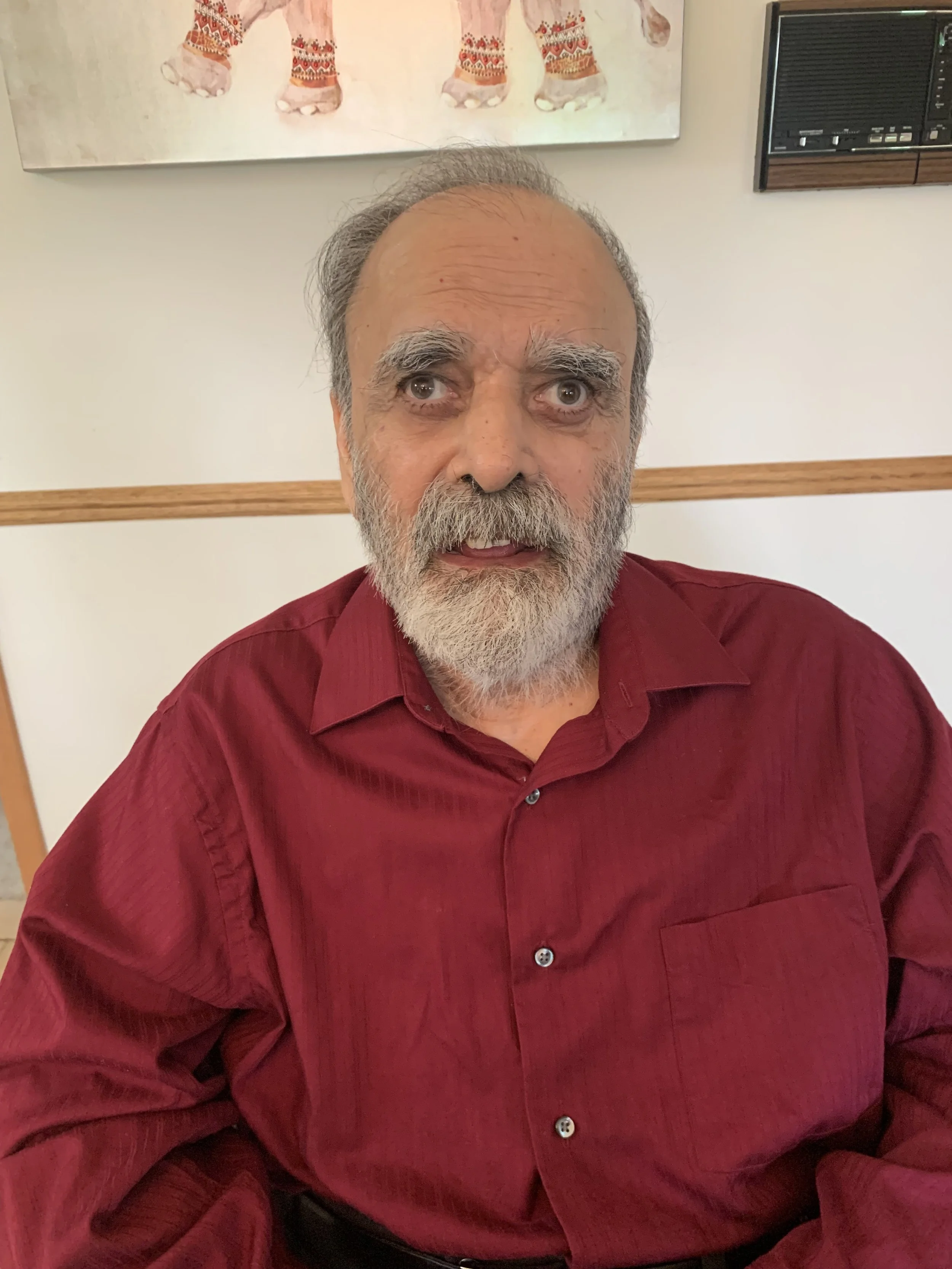
My Father Near the End of His Life
The main character in the book I’m reading just died.
And I don’t know what to do with that.
Part of me wants to be mad at the author—like, how dare you kill off the best thing in the story? And another part of me has to admit… the fact that I’m this upset probably means he did something right. Maybe everything, if I’m honest.
Still, it leaves me in this strange place—grieving someone who never actually existed. A fictional man is gone, and somehow I’m in real mourning, like I’ve stepped into something deeper than I meant to.
I don’t just listen to sad music—I apparently seek out emotional damage in book form too. Be careful what you read. Seriously. You think you’re just passing time, and suddenly you’re pulled under, spiraling over characters like they were people you knew.
In this case, the character died of COVID.
And that hit too close.
My father died less than a year ago. COVID didn’t take him all at once—it took him in pieces. His strength first, then his mobility, until he was bedridden for two years. He didn’t technically die from COVID, but it shaped the end of his life in ways we couldn’t undo. In the end, it was Parkinson’s-related complications—but COVID had already done its damage.
I still don’t fully understand how a respiratory illness could take his legs like that. The doctor explained it to my mom, but even then it felt like guesswork. The truth is, no one really understands how that disease moves through the body—what it takes, or why. It moves quietly, unpredictably, like something you don’t see until you’re already in it.
I have a friend whose daughter is dealing with long COVID. She’s in college and can’t even concentrate the way she used to. It lingers. It reshapes everything. It doesn’t just pass through—it stays, like something that refuses to recede.
It was never really over.
But we act like it is.
We stopped talking about it. We moved on, collectively, like if we went quiet fast enough, it wouldn’t follow us. Like we could outrun something that had already soaked into everything.
I thought I had, in some ways. I’d tucked it away. Put distance between myself and that kind of pain.
And then this book showed up and pulled me right back under.
I won’t tell you the title—I’m not trying to ruin it for anyone—but I will say this: it reminded me of something I wasn’t ready to revisit.
The truth is… I’m angry at COVID.
And yeah, I know how that sounds. Being angry at a disease is irrational. It doesn’t have intent. It doesn’t choose.
But that doesn’t make the anger go away.
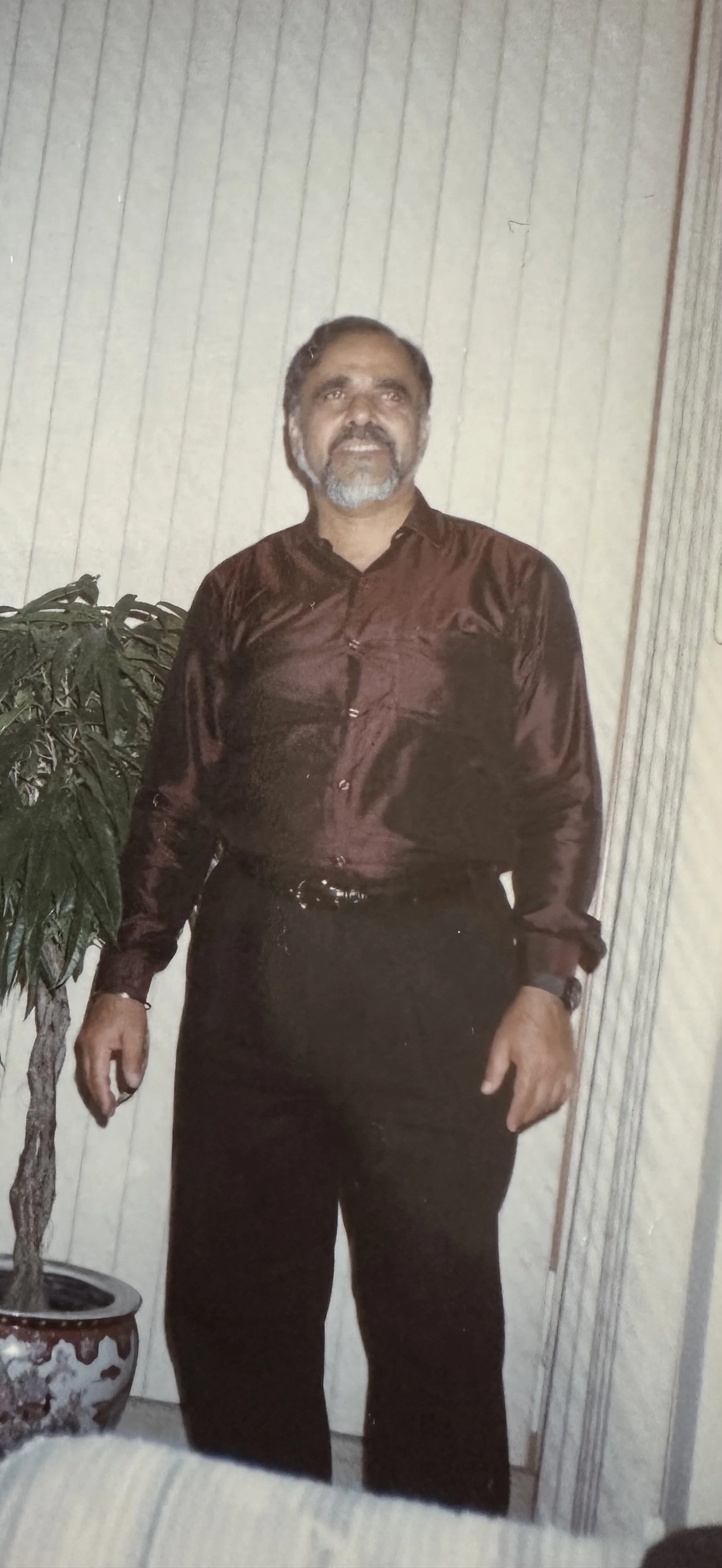
My Dad A Little Younger
Grief is like water—you don’t always notice it because you’re already inside it. It surrounds you quietly, carrying you through ordinary moments. But then something changes—the temperature drops or spikes—and suddenly you’re hyper-aware of it. It presses against your skin, steals your breath. And for a moment, it’s not just something you’re in—it’s everything.
Mourning is a strange, unpredictable thing. People talk about it like it’s a process—as if it moves in steps, as if you eventually arrive somewhere stable. But that hasn’t been my experience. It’s not linear. It doesn’t follow rules. It doesn’t care about time.
Some days it hits out of nowhere—heavy, undeniable. I’ll be doing something completely ordinary, and suddenly it’s there. It rises without warning, like a wave you didn’t see coming. And it’s not just emotional—it’s physical. Like something tightening in my chest, like my body is trying to process a loss my mind still doesn’t fully understand.
On those days, I miss him so much it feels unbearable—like I’m being held under something I can’t push away.
And then there are quieter days. Days where the grief softens, settles. Days where it feels still. Where I can think about him without that sharp edge. Where I can remind myself he’s no longer suffering, no longer trapped in a body that was failing him.
There’s comfort in that. Even if it’s fragile.
What’s strange is how both can exist at the same time—the ache and the peace, the pull and the calm. Grief doesn’t replace one with the other. It shifts, like a tide. And you never really know which version you’re going to wake up to.
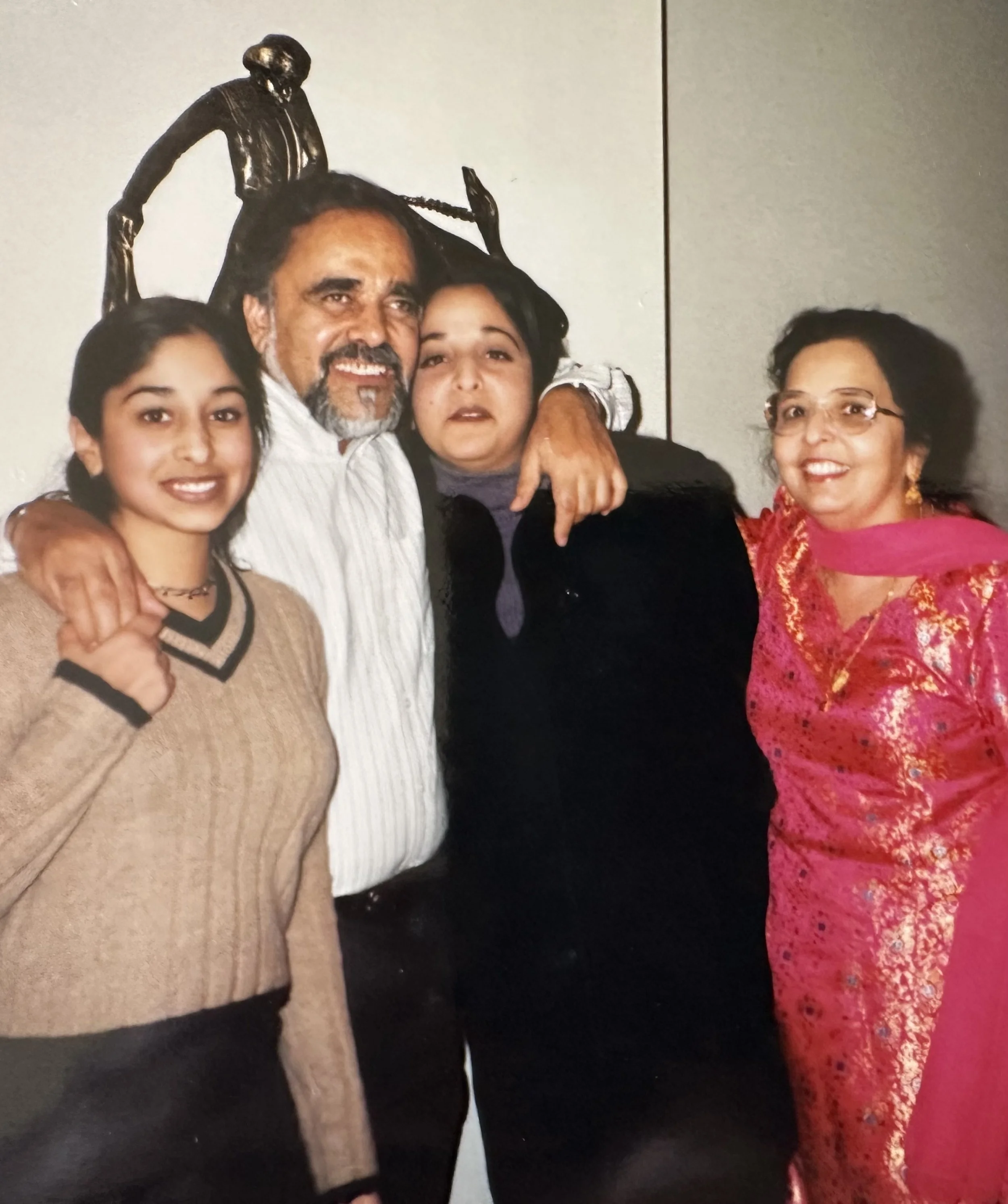
My Father Happy, Loving His Family
I catch myself thinking about him watching over me. He was blind for so long, but I like to believe that wherever he is now, he can finally see—really see. Not just the surface of things, but through them. Through me. The way you can see through water. I think he can see through my grief and recognize it for what it really is: love.
I like to imagine that the people we lose can somehow see the truth of who we are, beyond all the noise and performance.
With my father, it always felt deeper than just this life. Like there was something familiar about him from the beginning—something I didn’t have to learn or build. Something that felt… known. I’m convinced, in a way I can’t quite explain, that I knew him before. That our connection didn’t start here.
He was quiet. Soft-spoken. The kind of person who only opened up when he felt safe. I’m… not that. I’m loud. Not obnoxious—at least I hope not—but I’ll talk to anyone about almost anything.
Where he was reserved, I’m expansive.
And somehow, it worked.
We balanced each other in a way that felt natural—like two different currents moving in the same direction.
In his final days, we watched Genius together—the Einstein series. Einstein was his hero. My dad used to say calculus held the meaning of life. I never understood what he meant, but I didn’t need to. I respected it because it came from him.
And I respected him—completely.
He had integrity. Quiet wisdom. He saw me in a way that made me feel understood without needing to explain myself. He appreciated me—not for who I could become, but for who I already was.
I loved him deeply.
And if I’m being honest, I don’t know that I’ve ever loved anyone that deeply.
I took care of him when he was sick. Day by day. Sometimes it was exhausting. Sometimes overwhelming. Sometimes more than I thought I could handle. There were moments I didn’t know if I was strong enough.
But looking back now… it might be the most meaningful thing I’ve ever done.
Not the easiest. Not the cleanest.
But the most real.
And maybe that’s what all of this is—grief, memory, love—just different ways of holding on. Different depths of the same thing.
Maybe if you could see through it—like water—you’d find what’s been there all along.
Love.
Maybe nothing else matters.
nina
A couple of friends and I started a podcast called 2 Curries and a Ranch. Listen here: https://2curriesandaranch.riverside.com/ or wherever you get your podcasts.
Imagine two loud, dramatic, hilarious Indian women explaining to a white man what it's like to grow up and live in America. Join us for the laughter, deep thoughts, and witty banter about life, love and culture. We tell it like it is, with honest, bold and funny stories, discussions and arguments. We explore boundaries and challenge norms. Join us for a good talk.
We have a new episode coming out soon! Shit, Shower, Shave, In That Order: Listen to us unscripted, shooting the shit about culture, life, and Harry Potter! The topic is us telling it like it is. Clip below: