Even the Absence Has a Story
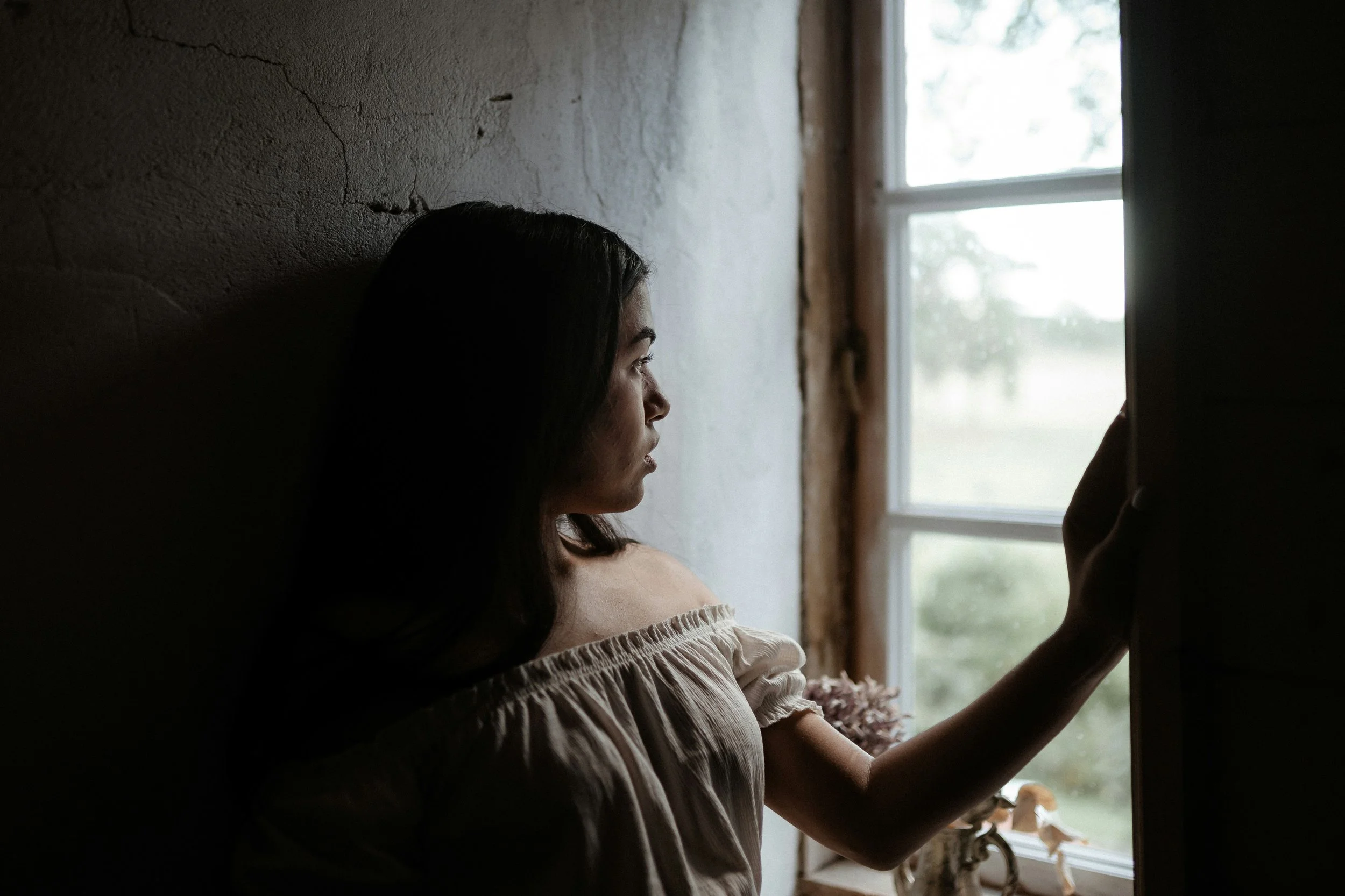
Photo by Gantas Vaičiulėnas on Unsplash
I want to talk about empathy—because I’m not sure we all mean the same thing when we use that word.
Can empathy be taught?
And maybe more importantly… should it be?
My instinct is yes. To both.
Because lately, it feels like we are surrounded by people in positions of power who can talk about struggle—but don’t seem to recognize it when it’s right in front of them.
People trying to make rent.
People dealing with health issues.
People quietly falling apart in ways that don’t show up on spreadsheets.
And I keep wondering—did no one ever teach them to see it?
I’m not an empath—the kind of person who walks into a room and absorbs everyone else’s emotions.
But I’m not someone who feels nothing either.
Most of us live somewhere in the middle.
We care—but not so much that we lose ourselves.
So what happens when even that baseline starts to disappear?
Because it feels like, lately, compassion is thinning out.
And yet, in almost every spiritual philosophy, compassion is considered the highest virtue.
I didn’t learn compassion from a book.
I learned it in a psychiatric ward.
I was hospitalized for bipolar disorder.
Inside, I sat with people who were homeless, severely mentally ill, struggling with addiction.
And something unexpected happened—
We were all the same.
My Ivy League education, my background—it didn’t make me better than anyone in that room.
The only real difference between me and some of the people there was that I had a supportive family waiting for me on the outside.
I was manic when I was admitted.
Overly friendly. Open. Talking to everyone.
I made friends with people who were suicidal, schizophrenic, unraveling in ways I couldn’t always understand.
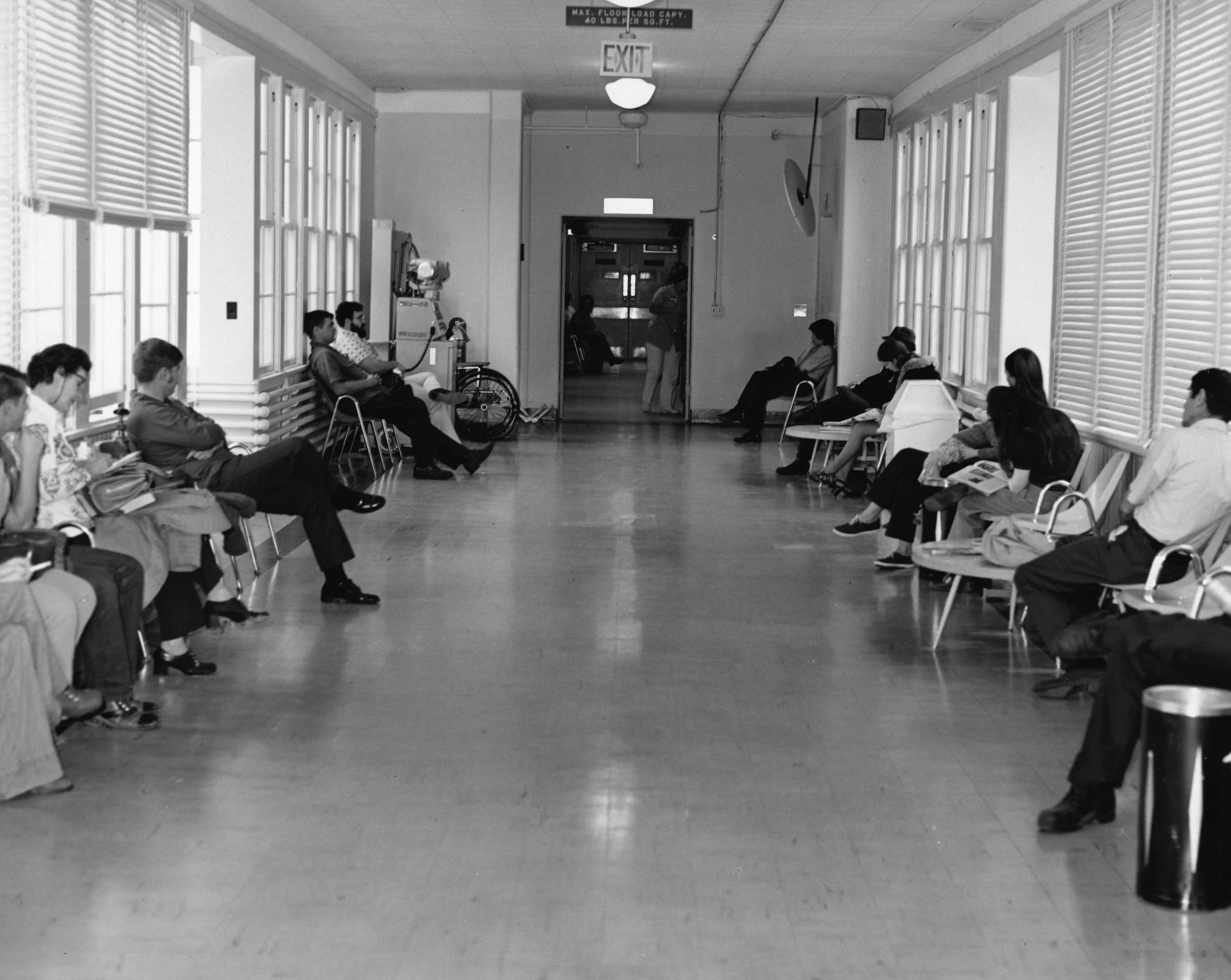
Photo by Navy Medicine on Unsplash
I didn’t judge them.
Partly because I didn’t want to be judged.
But also because, very quickly, that instinct just… disappeared.
I saw people crying.
Shouting.
Completely shutting down.
I didn’t always understand their pain.
But I recognized something in it.
Because I know what emotional pain feels like.
Everyone is fighting something. That sounds like a cliché—but it stops being one when you actually see it up close.
When you watch people survive things you’re not sure you could survive.
I didn’t feel sorry for them.
I felt respect.
Because they kept waking up.
They kept going.
And that, to me, is where empathy really begins—
Not in pity.
Not in performance.
But in recognition.
The understanding that someone else’s pain is real, even if it doesn’t look like yours.
I didn’t always think about what the absence of empathy looks like.
But recently, I started reading a memoir written by a sociopath.
What struck me wasn’t just her behavior—it was the emptiness underneath it.
She doesn’t experience many emotions, including compassion.
Instead, there’s a kind of void.
And to escape that void, she hurts people—just to experience something.
What unsettled me most was my reaction to her.
I found myself having compassion for someone who, by her own admission, has very little of it.
Because I recognized something in that emptiness.
I’ve known numbness too.
In depression, there are moments where everything flattens—where even your own life feels distant.

Photo by Valentina Kondrasyuk on Unsplash
And in those moments, the urge to feel anything at all can be stronger than the desire to feel something good.
That doesn’t excuse harm.
But it complicates the way I want to judge it.
Because even the absence of empathy has a story behind it.
I’ve spent time around narcissists too.
What struck me most wasn’t their self-obsession.
It was how deeply unhappy they seemed.
Not loud unhappiness.
Not obvious.
But something quieter—like a constant dissatisfaction that no amount of attention could fix.
They inflate themselves, but it never seems to be enough.
And underneath that, there’s something fragile.
Something unresolved.
It doesn’t excuse the way they treat people.
But it makes me see them differently.
Not as villains.
As people who are struggling in a way that looks very different from the kind we’re taught to recognize.
I’ve also noticed something else—
Some of the most emotionally sensitive people I’ve met are also the ones who struggle the most.
People who don’t just carry their own emotions, but absorb everyone else’s too.
And sometimes, that becomes too much.
Compassion isn’t simple.
It isn’t automatic.
And it isn’t evenly distributed.
Which is why I still come back to the same question—
Can it be taught?
I think it has to be.
The world doesn’t need more people who say they care.
It needs more people who refuse to look away.
I didn’t learn that from a book.
I learned it sitting in a locked room, watching people survive.
nina
A couple of friends and I started a podcast called 2 Curries and a Ranch. Listen here: https://2curriesandaranch.riverside.com/ or wherever you get your podcasts.
Imagine two loud, dramatic, hilarious Indian women explaining to a white man what it's like to grow up and live in America. Join us for laughter, deep thoughts, and witty banter about life, love and culture. We tell it like it is, with honest, bold and funny stories, discussions and arguments. We explore boundaries and challenge norms. Join us for a good talk.
We have a new episode out: Gup Shup/ Chit Chat:
Join us for a deeper dive into some of the topics we explored in previous episodes. Listen to us contemplate everything from arranged marriage to spicy Indian food vs. plain American food! Clip below: